GLP-1 and movement

Movement during a GLP-1 journey, without the guesswork.

Most GLP-1 guidance focuses on medication, appetite and food. This hub covers the part that often gets left out: how to keep moving in a way that fits the day you actually have. It is educational content, not medical advice.

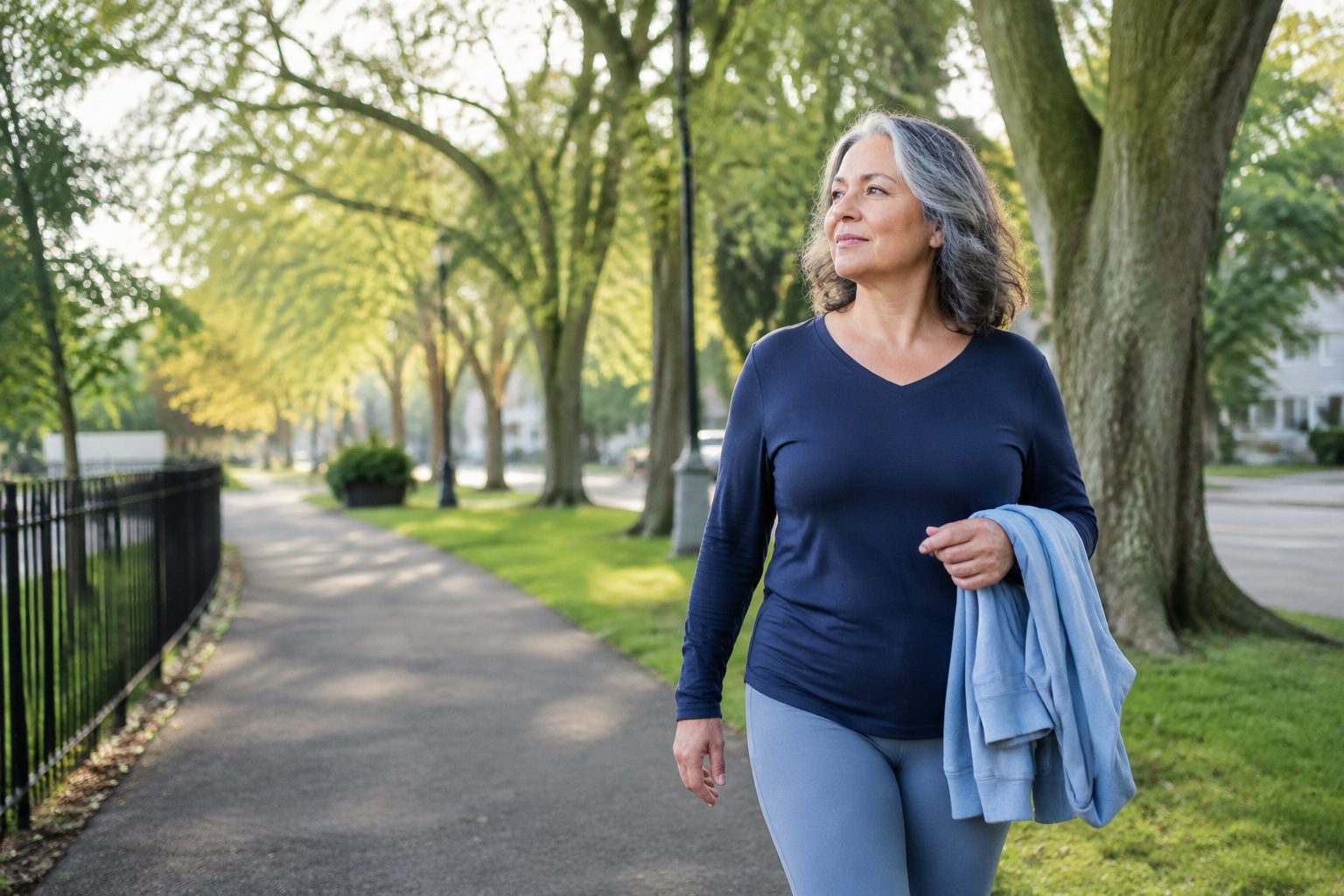
A person walking calmly outdoors in soft daylight
6 min readEducational content, not medical advice

Steps, strength, low-energy days and long-term routines — mapped to the capacity you actually have.

Chapter 01

Start with capacity, not ambition

Capacity can vary across a week for many reasons — sleep, schedule, appetite, energy or side effects. Planning from the capacity you have today is usually more repeatable than planning from the week you hoped for.
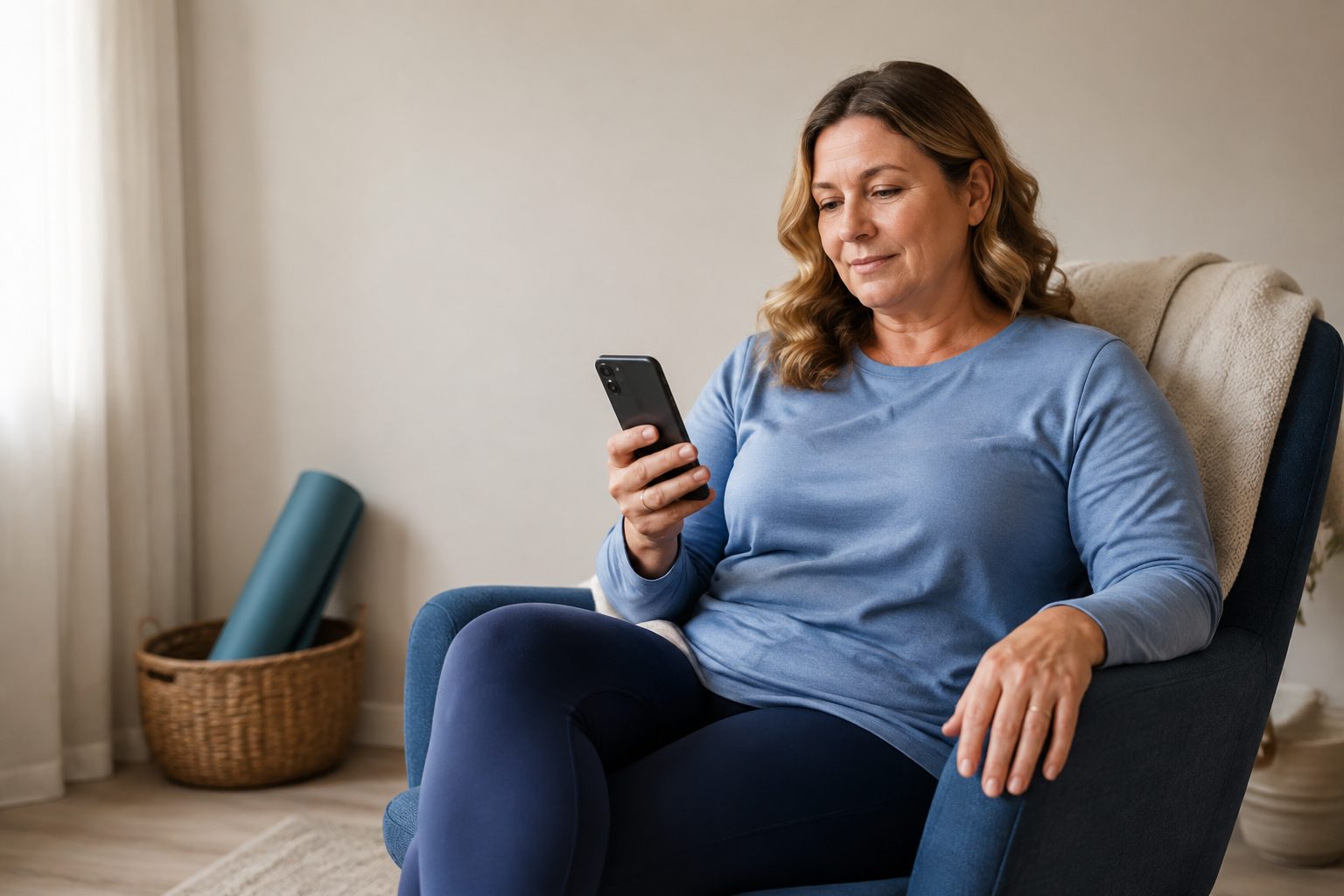
A person sitting at home taking a quiet moment to check in with themselves
Capacity changes from week to week. A short check-in makes the next step realistic. Read about movement on low-energy days

Chapter 02

Steps are the most portable habit

Walking needs no equipment and scales easily. Small, gradual increases from your own recent average tend to be easier to keep than a fixed round number.

Chapter 03

Strength and lean mass deserve attention

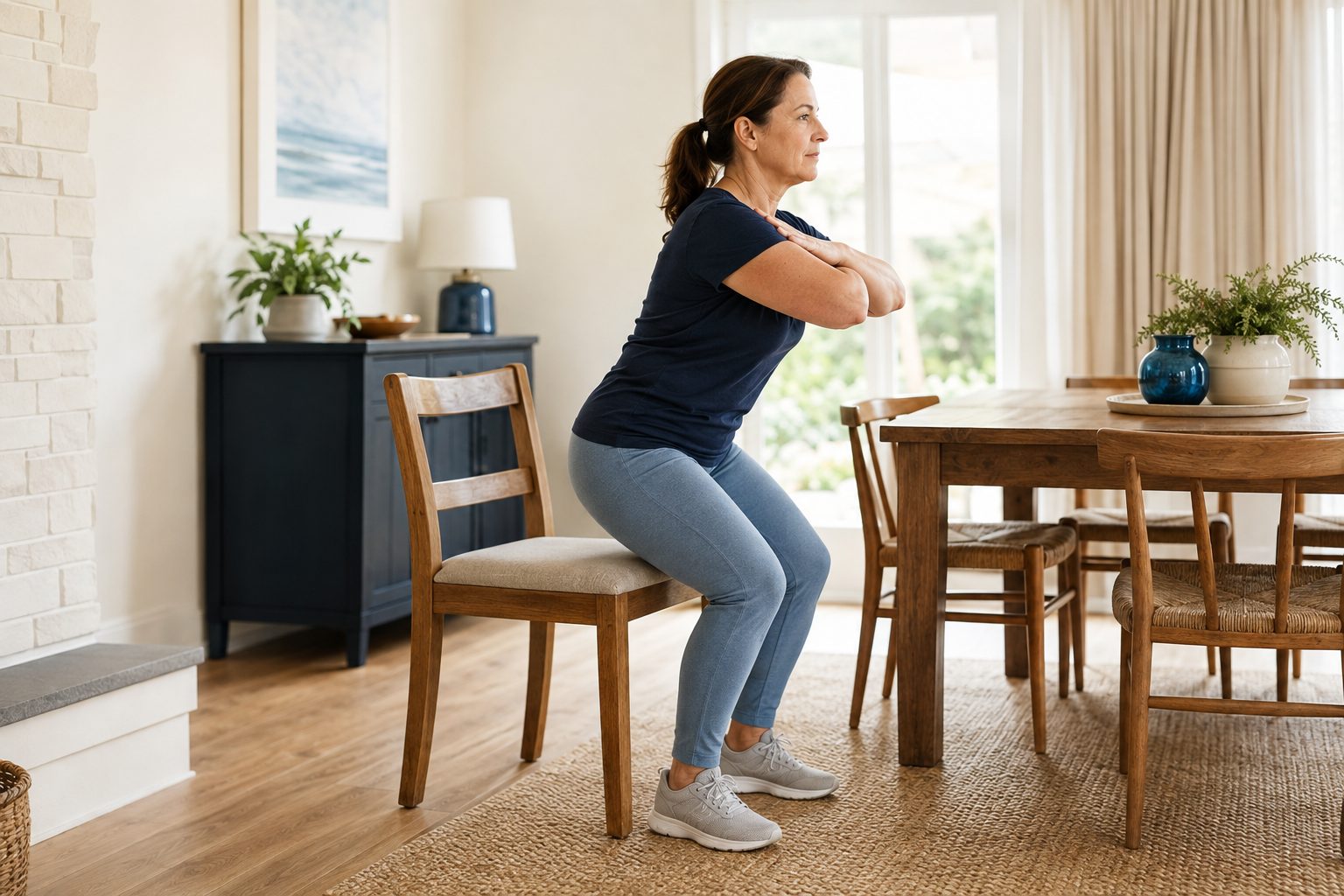
Resistance work — bodyweight or light equipment — is commonly recommended alongside weight management. Stappn cannot prevent muscle loss, but it can help you keep strength sessions in the week.

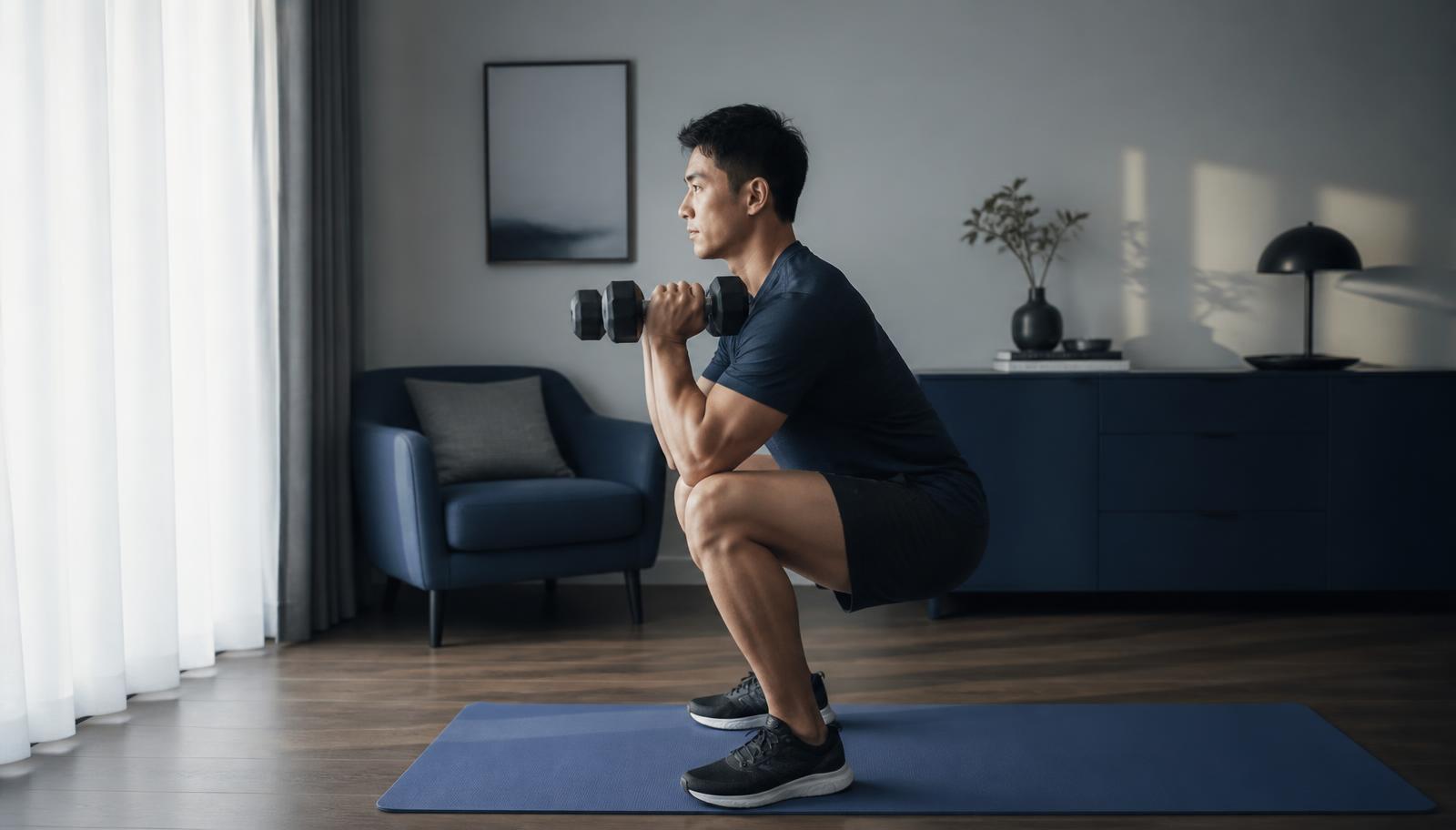
A person practising a sit-to-stand movement from a chair at home
Simple home strength patterns, like sitting down and standing up, are easy to repeat. Read about protecting lean muscle mass

Chapter 04

Lower-capacity days need a smaller plan, not none

On days when energy is lower, shortening, sitting down or switching to mobility keeps the routine alive. If symptoms are severe, unusual or worsening, stop and contact a qualified professional.

Chapter 05

Long-term routines outlast any single phase

The habits that survive treatment changes are usually the smallest ones: a consistent walk, a short strength block, a check-in you actually answer.

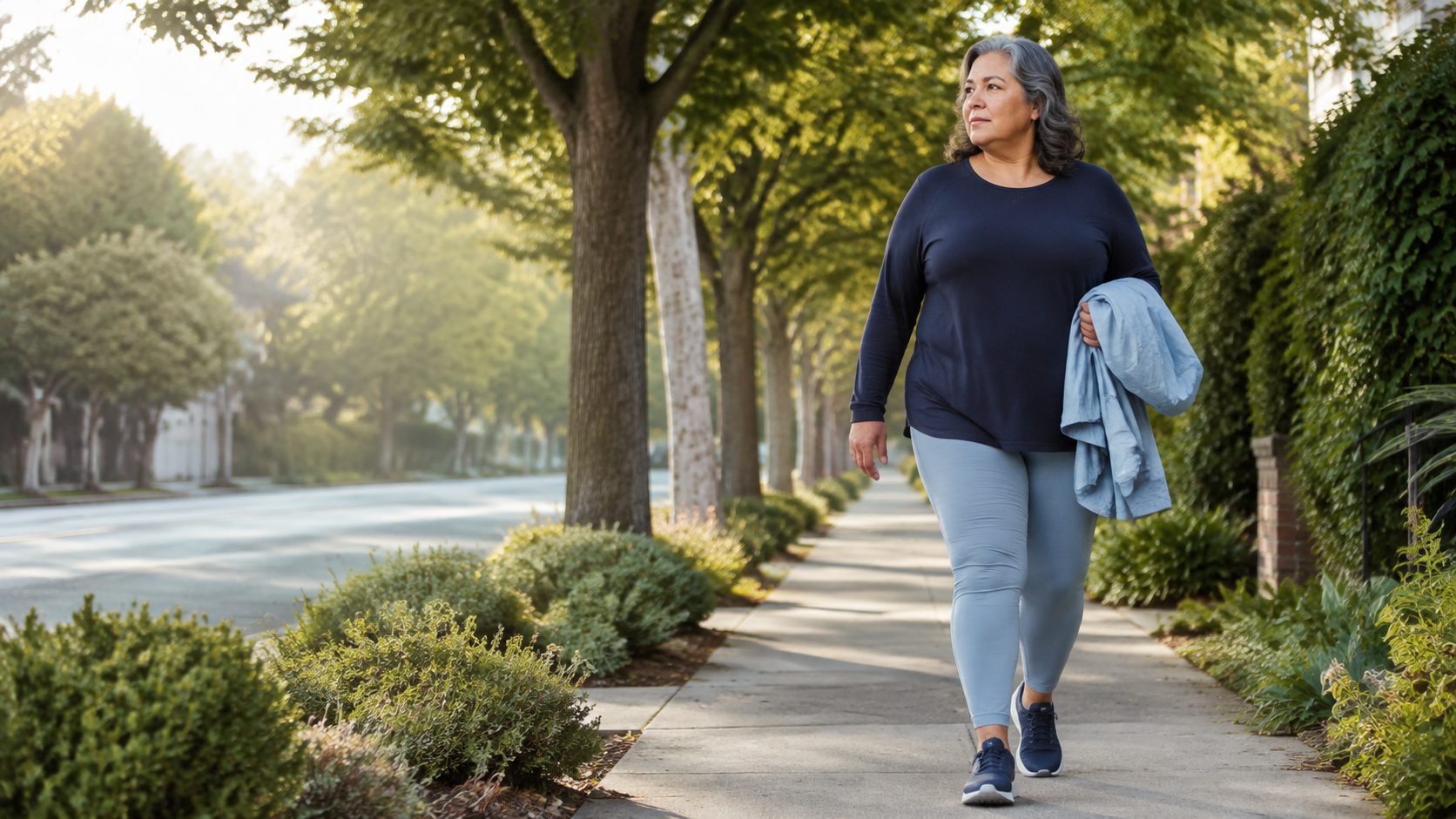
A person walking on a familiar neighbourhood path
Routines that survive are the ones that already fit your neighbourhood and week. Read about building long-term routines

How a routine takes shape

  1. 1

    Capacity

    Start from the time, energy and space you actually have today.

  2. 2

    Small plan

    Turn that into one specific action for the day ahead.

  3. 3

    Repeatable routine

    Keep what you can repeat, and adjust when the week changes.